
Muay Thai is a striking-based martial art from Thailand that employs fists, elbows, knees, and shins as weapons.
Unlike many other combat sports, it trains the entire body as a single unit, making it one of the most complete stand-up fighting systems in the world. People have adopted it because it builds real, functional strength alongside sharper mental focus. It is a discipline that rewards consistency over raw talent.
The sport has grown widely in popularity across Canada over the past decade, with gyms in Ontario seeing a steady rise in beginner enrolment. More residents in Brampton are choosing Muay Thai training over conventional gym memberships because it delivers measurable results that standard gym workouts rarely match. Beginners of all ages and fitness levels begin these classes every week.
In this blog, you will learn what Muay Thai involves, how training works, and what to expect when you start.
Key Takeaways
- Muay Thai uses eight points of contact—fists, elbows, knees, and shins—making it more versatile than most stand-up combat sports.
- A typical Muay Thai class follows a structured format, i.e., warm-up, technical drilling, pad work, and conditioning rounds.
- Muay Thai Training produces measurable physical results, including improved core strength, endurance, coordination, and body composition.
- The sport is not limited to fighters. Beginners of all ages and fitness levels train regularly and progress at their own pace.
- Training environment matters. Proper coaching, class structure, and gym culture directly affect how safely and quickly a beginner develops.
What Muay Thai Actually Involves
The fundamentals of Muay Thai are based on techniques, timing, and aggression under control. Understanding these fundamentals helps beginners come to their first class with the right mindset and realistic expectations.
What Makes Muay Thai Different from Other Martial Arts?
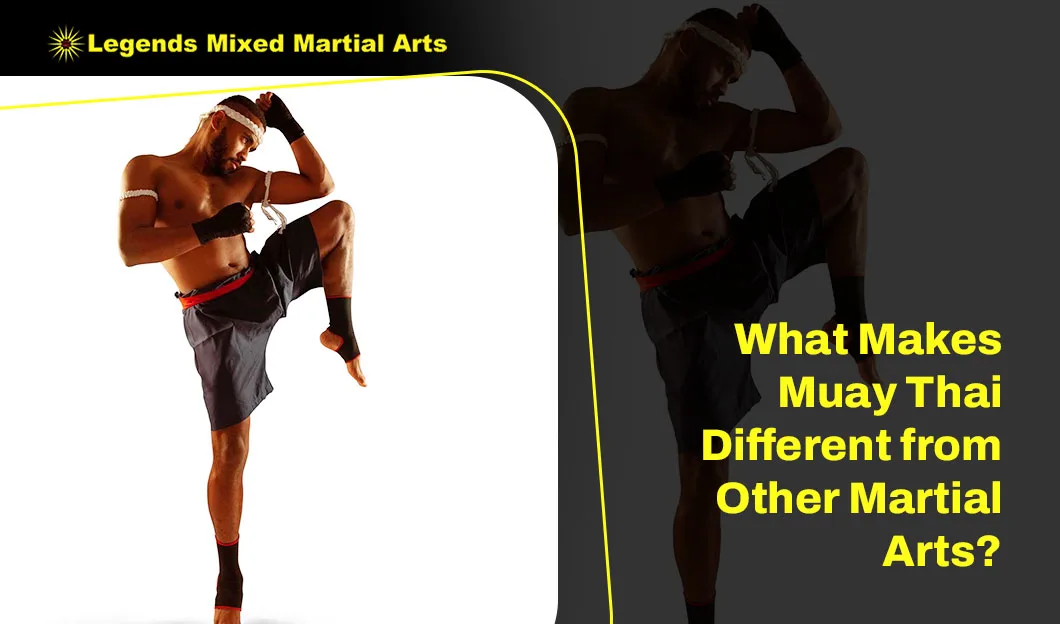
Muay Thai is known as the art of eight limbs due to its usage of two fists, two elbows, two knees, and two shins. Many sports that involve striking confine competitors to four points of contact. However, this extensive toolbox of Muay Thai requires practitioners to develop their spatial skills, become skilled in assessing distance accurately, and defend against multiple attacks.
Boxing concentrates solely on punches and movement of the head. In karate, the focus is on using the power of single blows, with limited clinching. Unlike boxing and karate, in Muay Thai the clinch is used as the main combat position, where knee and elbow strikes are made effectively. As a result, sparring is more complex and includes more techniques that beginners need to learn.
The style also develops attributes that carry over into everyday life. The positive influence of Muay Thai training on reaction time, coordination and endurance can be noticed even during the first months of its practice. Beginners who take two or three classes a week in Brampton feel their postural improvement and reaction increase after the first six or eight classes.
What Happens in a Typical Muay Thai Class?
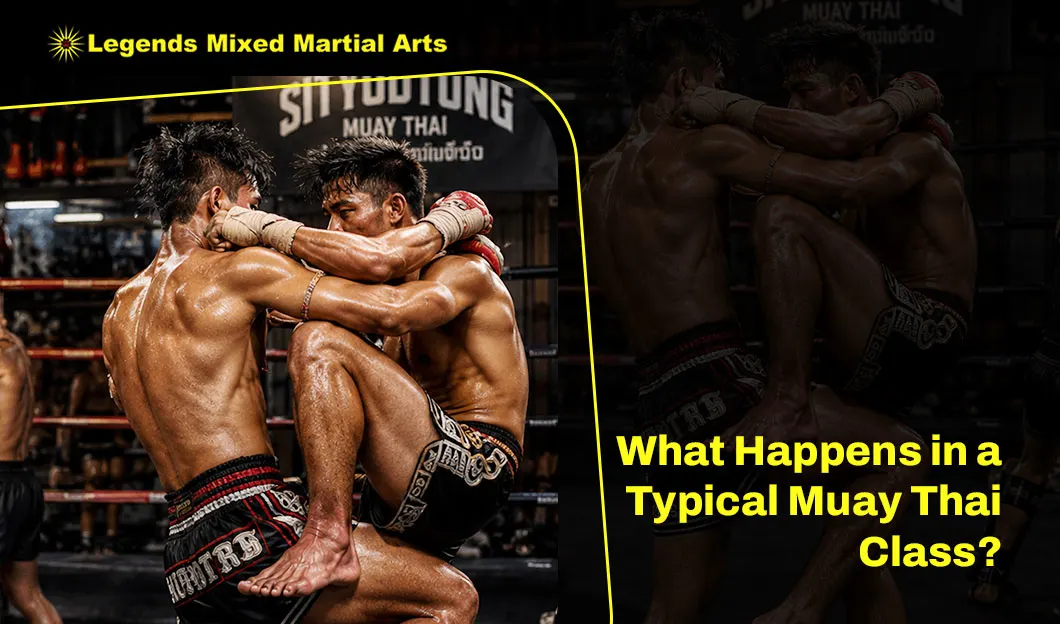
A typical lesson lasts between one and one and a half hours and has a structured format. This structure is beneficial for beginners as it allows them to concentrate wholly on technique.
Classes begin with warm-up exercises that may include jumping rope, shadowboxing, and dynamic stretching. The purpose of this warm-up is to engage the cardiovascular system as well as to ready the joints for the impact of different striking techniques. By jumping rope alone, students enhance their footwork rhythm, a key piece of any quality Muay Thai class in Brampton. During this time, coaches evaluate their students’ movement patterns in order to determine areas to work on in the technical part of class.
In this section, the coach elaborates on a specific combination or defence. Trainees practice this with their partner or on heavy bags. Usually, each round lasts three minutes, which reflects the time limitations of an actual competition fight. This prepares even novices for fighting rhythm.
The pad work performed with an instructor is often the most useful element during the training session. That’s because it gives the practitioner real feedback on power, angles, and timing, which cannot be achieved while practicing alone.
How Muay Thai Training in Brampton Builds Real Results
Training is not just about learning strikes. Consistent practice leads to changes in the body and mind that go well beyond what most people expect when they first sign up.
What Physical Changes Can Beginners Expect?
The physical results of Muay Thai training in Brampton are not limited to weight loss, though that is a common outcome. This training style combines aerobic conditioning, resistance work through bag and pad drills, and high-intensity intervals within a single session. This combination produces changes in body composition that isolated gym training often cannot match.
Core strength develops quickly since all strikes begin from the hips and torso. When practicing footwork training, the ankle’s mobility and the stability of the legs improve. Clinch training helps to develop strength in the shoulders and grip strength in ways that far surpass conventional weight training. Changes in your body will not happen immediately, but positive changes will occur with time.
Mental resilience develops alongside body strength. For instance, sparring teaches calm under pressure. Trainees often report that several training sessions are enough to know how to deal with everyday stress.
Why Does Training Environment Matter for Beginners?
The gym culture has a direct effect on how quickly a beginner progresses in a Muay Thai class in Brampton. A supportive environment reduces the intimidation factor that keeps many people from starting in the first place. Coaches who teach progressively, without overwhelming new students, produce better long-term retention and safer training outcomes.
At Legends MMA, Muay Thai techniques are introduced progressively and sparring is permitted only after the student shows that they are ready for it. This method helps to avoid injuries from overuse and allows students to learn without developing any bad habits since there is no rush to reach advanced training.
Essential components of Muay Thai training for beginners at a good gym include well-maintained equipment, small classes that allow individual coaching attention, and training that starts with basic movements before gradually introducing combinations. These components decide whether a new student builds correct habits or spends months unlearning poor technique formed without proper guidance.
What to Bring and How to Prepare for Your First Class
Showing up prepared makes the first session far more comfortable. Knowing what gear to bring and what to expect removes unnecessary friction for beginners stepping into a new environment.
What Equipment Do Muay Thai Beginners Need?
Most gyms provide loaner gloves and pads for the first few sessions. Over time, having personal equipment becomes important for hygiene and performance. A beginner needs boxing gloves, hand wraps, a mouthguard, and shin guards. Gloves that weigh about 12 to 16 ounces are usually the best choice for the purposes of bag work and pad work for most people.
Hand wraps protect the small bones of the wrist and knuckles during striking. Many beginners skip wraps in early sessions and develop soreness that slows their progress. Wrapping the hands correctly takes less than two minutes and prevents injuries that can sideline a new student for weeks. A coach at any reputable gym in Brampton will show the correct wrapping technique on the first visit.
Shin conditioning is a gradual process. Beginners may feel a bit of discomfort in their shins during the first few weeks. However, the bone and surrounding tissues eventually adapt, and discomfort decreases significantly after the first month training.
How Should a Beginner Approach the First Few Months?
The first three months of this type of martial arts training focus on building movement vocabulary, not power or speed. A beginner who focuses on footwork, guard position, and basic combinations before worrying about force will see more progress than one who tries to hit hard from day one.
Consistently attending classes matters more than session length or intensity during the beginner phase. Two to three classes per week gives the body enough stimulus to adapt while allowing adequate recovery between sessions. Pushing too hard too soon leads to fatigue and discouragement, both of which are avoidable with a measured approach.
Muay Thai is a combat technique that improves the body and mind through regular training. It trains its practitioners to hit powerfully using their punches, elbows, knees, and shins. Newcomers who train regularly in the right clothes and under appropriate supervision can acquire genuine skills without unnecessary delays. The sport welcomes all people, and those who progress properly will see results. Once you are ready for your first step, contact Legends MMA and get started with Muay Thai classes in Brampton.